ODNOWA was a multi-year placemaking programme focused on improving public spaces in the neighbourhood surrounding the SPARK office development on Wolska Street in Warsaw.
The project was developed in partnership with Skanska during the construction of the office complex and in collaboration with the international placemaking organisation Project for Public Spaces.
Rapid urban development can significantly change the character of neighbourhoods. The project aimed to ensure that the new office development would become a positive element of the local urban environment, responding to the needs of residents and strengthening public space.
Initial research with local residents revealed several key challenges:
lack of welcoming public meeting spaces
concerns about safety in public areas
architectural barriers limiting accessibility, especially for older adults and parents with children.
The project combined research, participatory planning, and community activities to develop solutions together with residents, designers, and local stakeholders.
Key activities included:
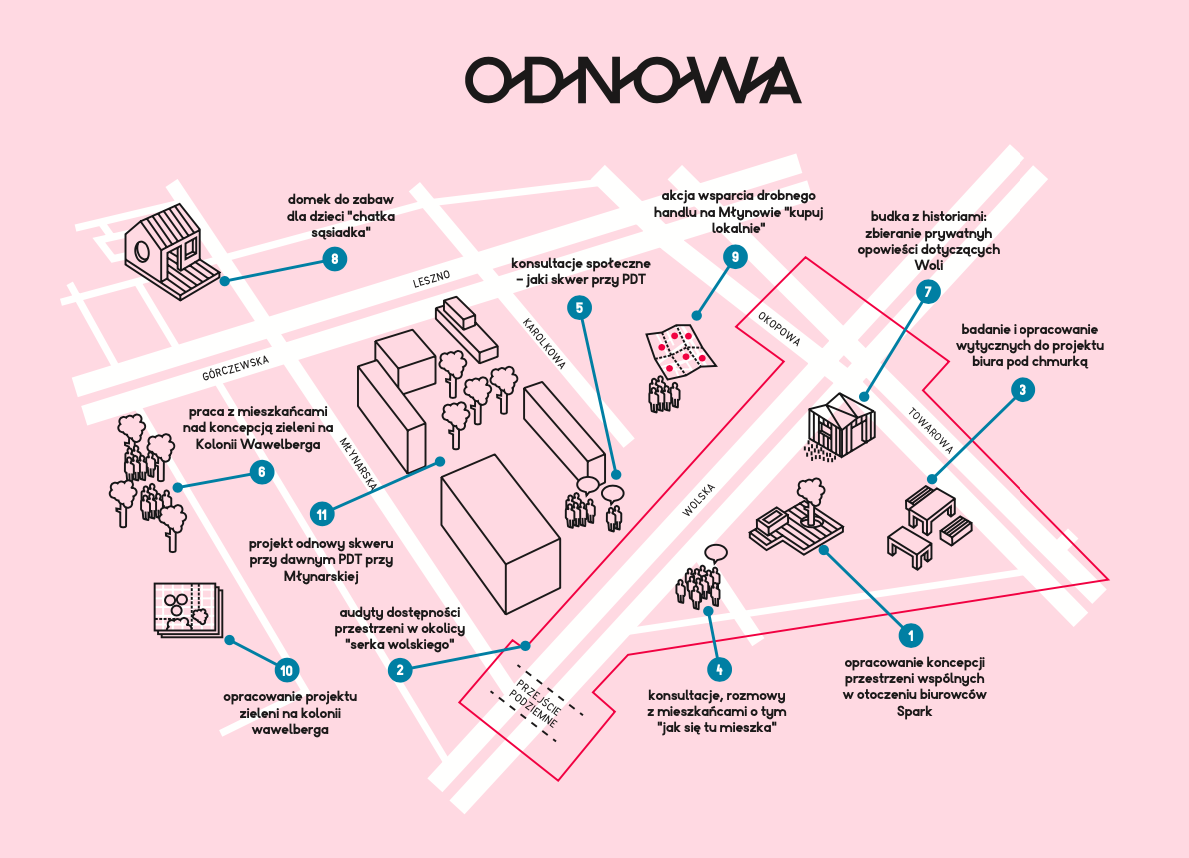
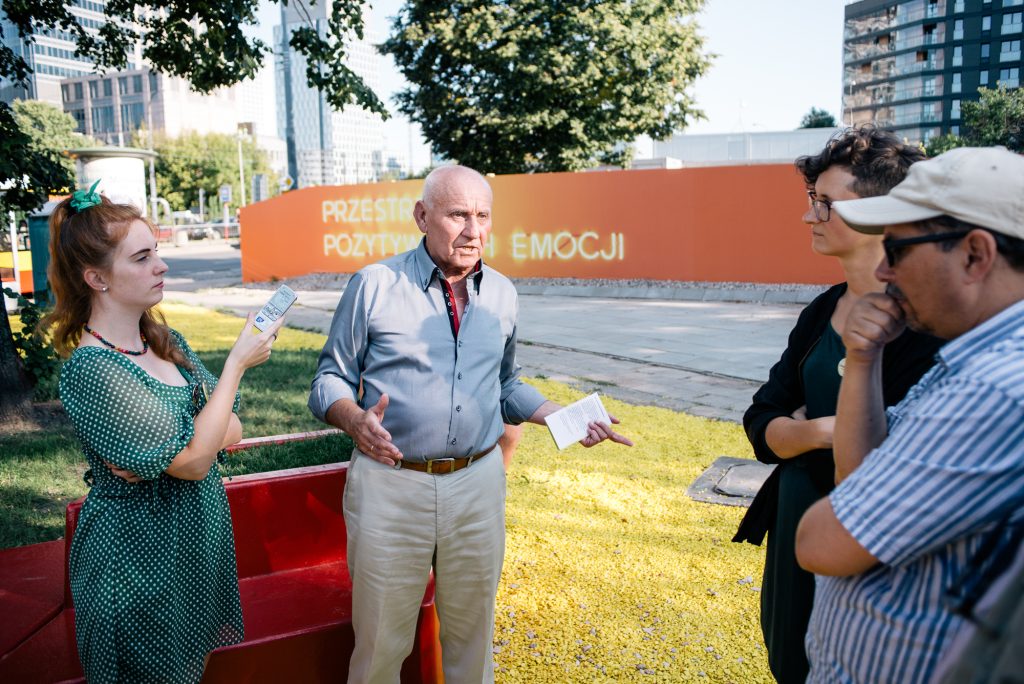
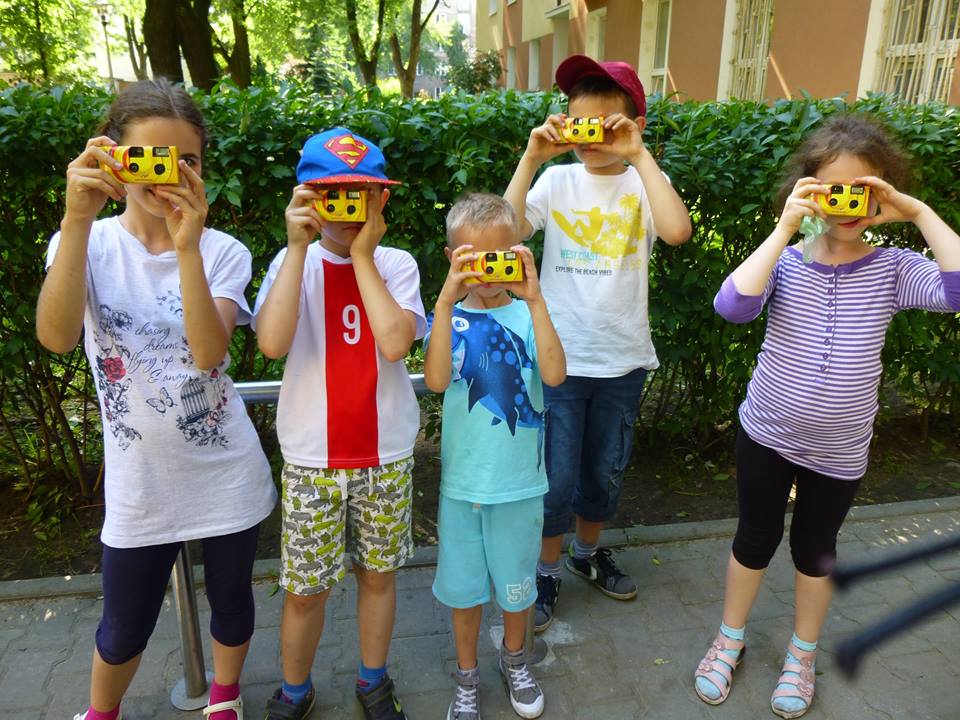
qualitative research on residents’ needs
accessibility audits of Wolska Street
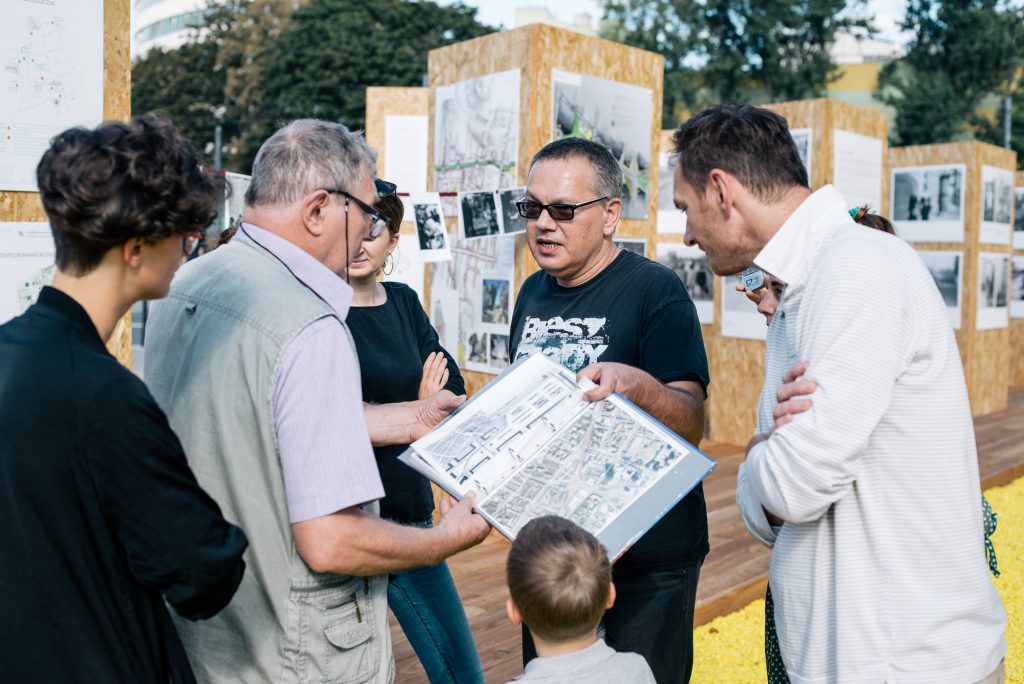
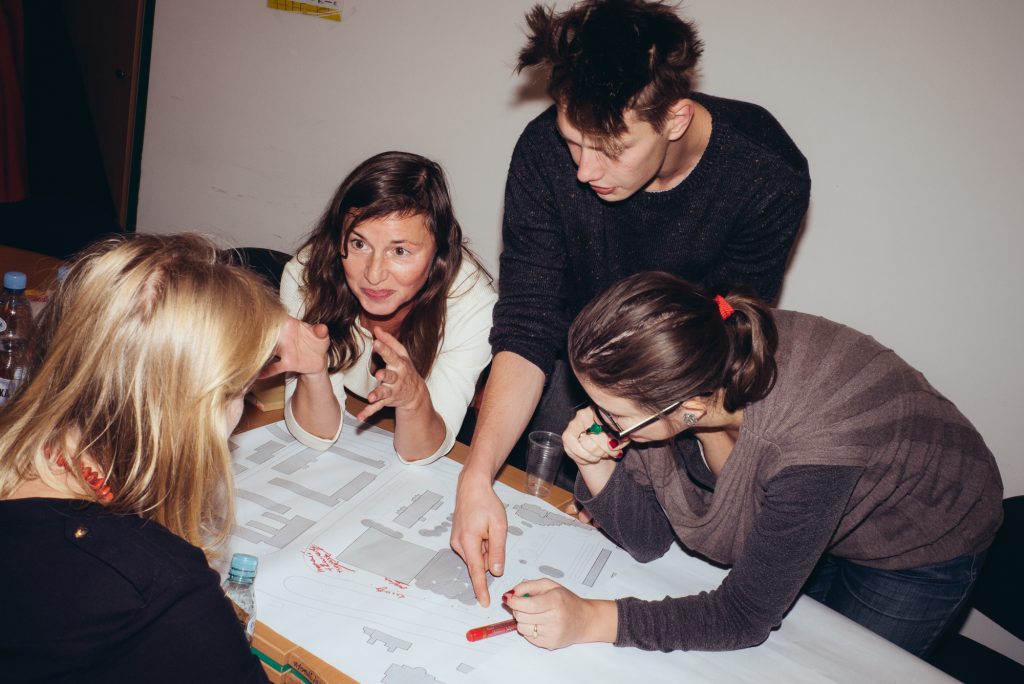
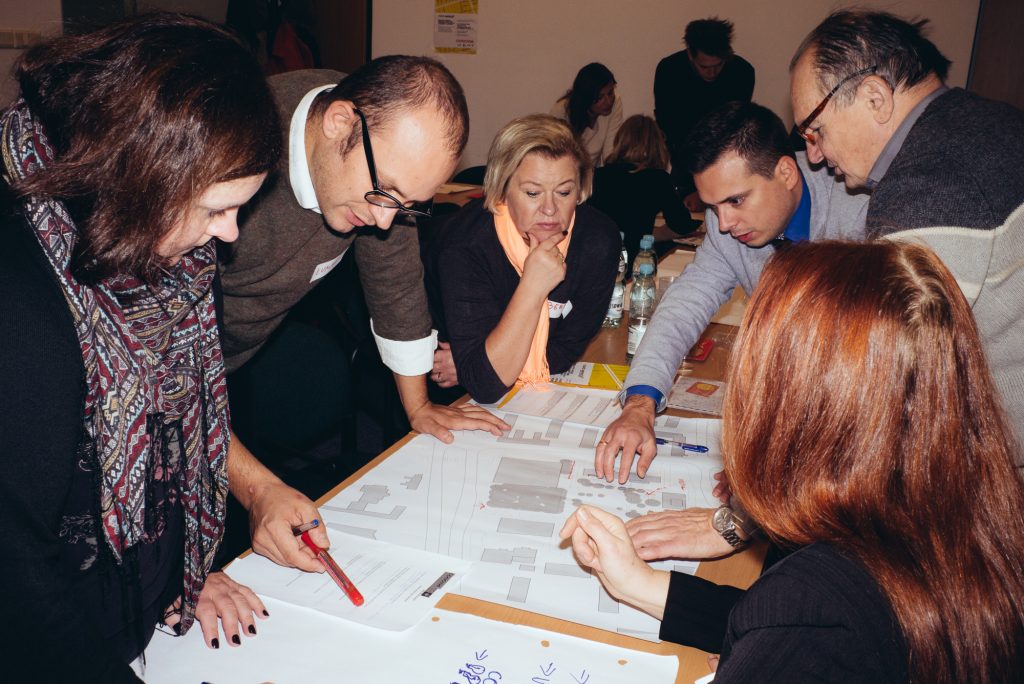
participatory design workshops focused on neighbourhood spaces
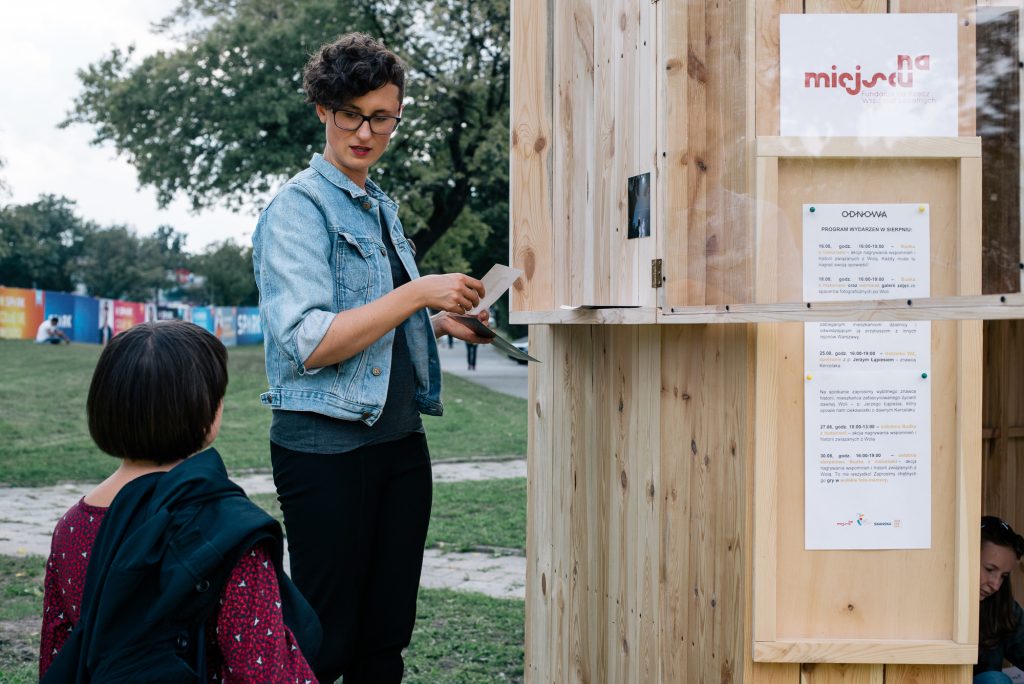
numerous community-building events and storytelling initiatives.
One of the activities included collecting residents’ micro-histories about life in the neighbourhood.
As a result of collaboration between residents and designers, several spatial projects were developed:
a landscape design for Kolonia Wawelberga, later funded by the district authority
a concept and implementation project for Skwer Gwary Warszawskiej
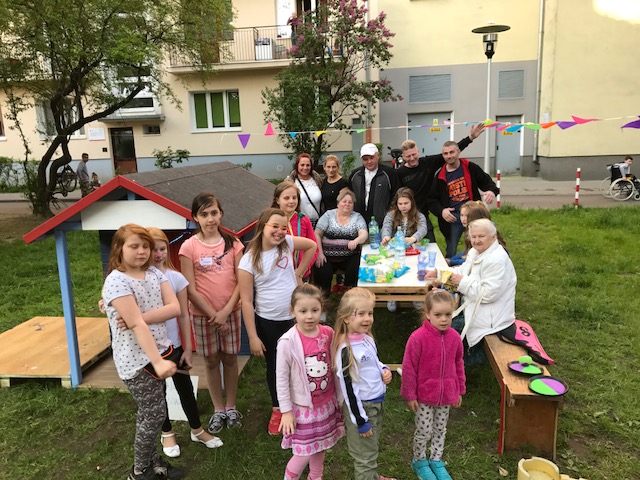
a community-built play structure for children called “Chatka Sąsiadka”.
The project also supported local businesses through a series of initiatives encouraging residents to shop locally and support neighbourhood services.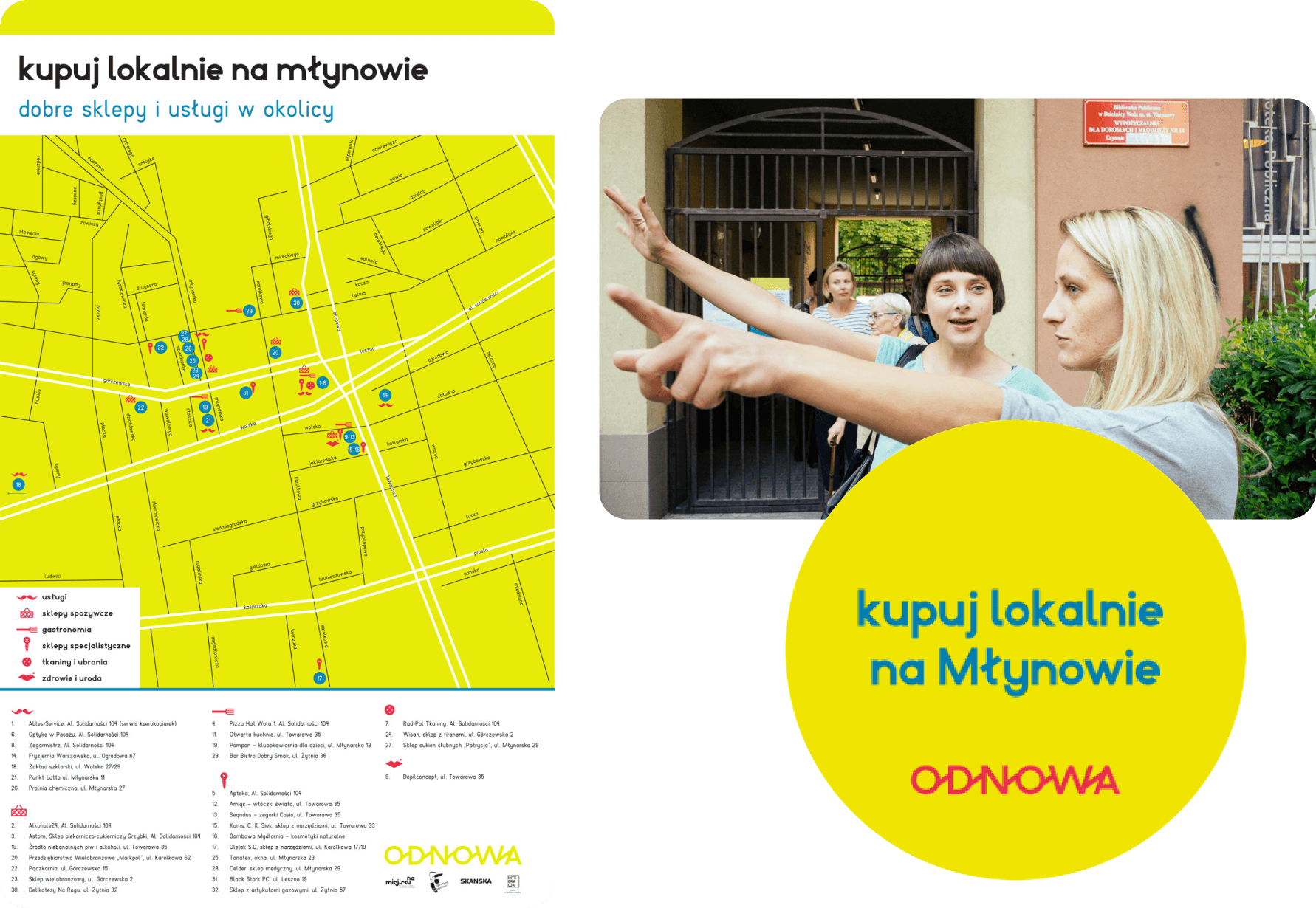
ODNOWA contributed to improving the quality of public spaces around the SPARK development while strengthening relationships between residents, local institutions, and the developer.
The programme included:
3 participatory planning processes
social consultations involving around 400 participants
accessibility audits and community research
several implemented spatial interventions and community initiatives.
Skanska
Project for Public Spaces