CoMobility – Co-designing Inclusive Mobility explored how cities can reduce car traffic while ensuring that residents understand, support, and benefit from these changes.
The project examined the relationship between mobility, air quality, urban infrastructure, and everyday habits, while developing practical solutions to improve urban life.
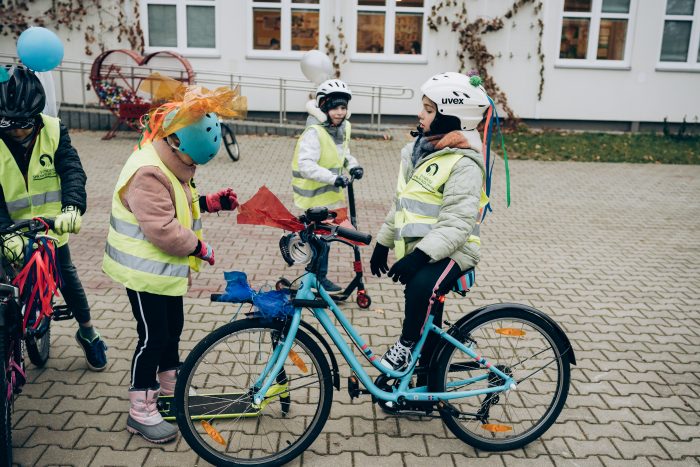
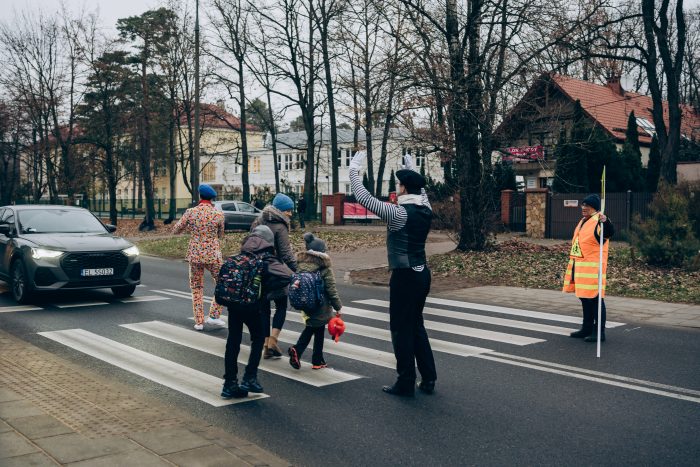
Car traffic around schools contributes to air pollution, noise, and unsafe environments for children. At the same time, mobility habits are difficult to change without involving communities directly in designing alternatives.
Cities need solutions that are not only environmentally effective but also socially accepted and locally grounded.
The project combined research, citizen science, and co-design involving residents, scientists, schools, and local authorities.
Working with three primary schools in Warsaw, we tested and monitored mobility solutions in real neighbourhood conditions. These local experiments were then used to model their potential impact on the wider city.
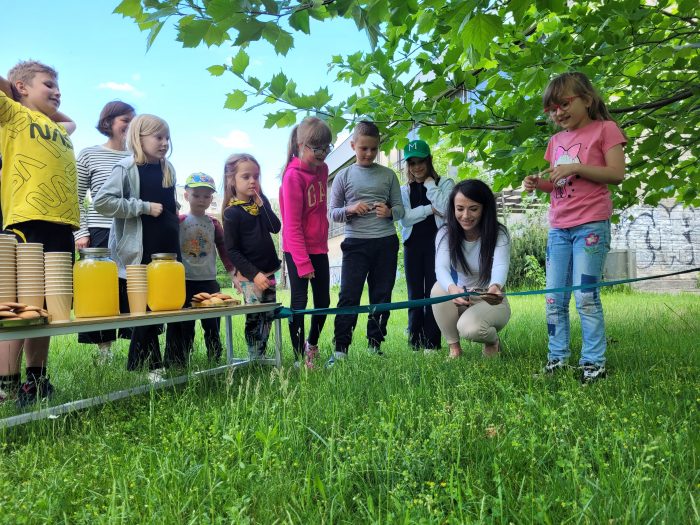
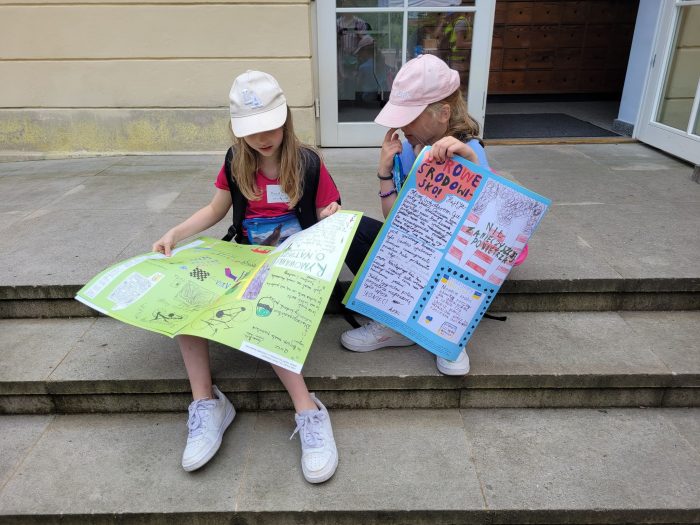
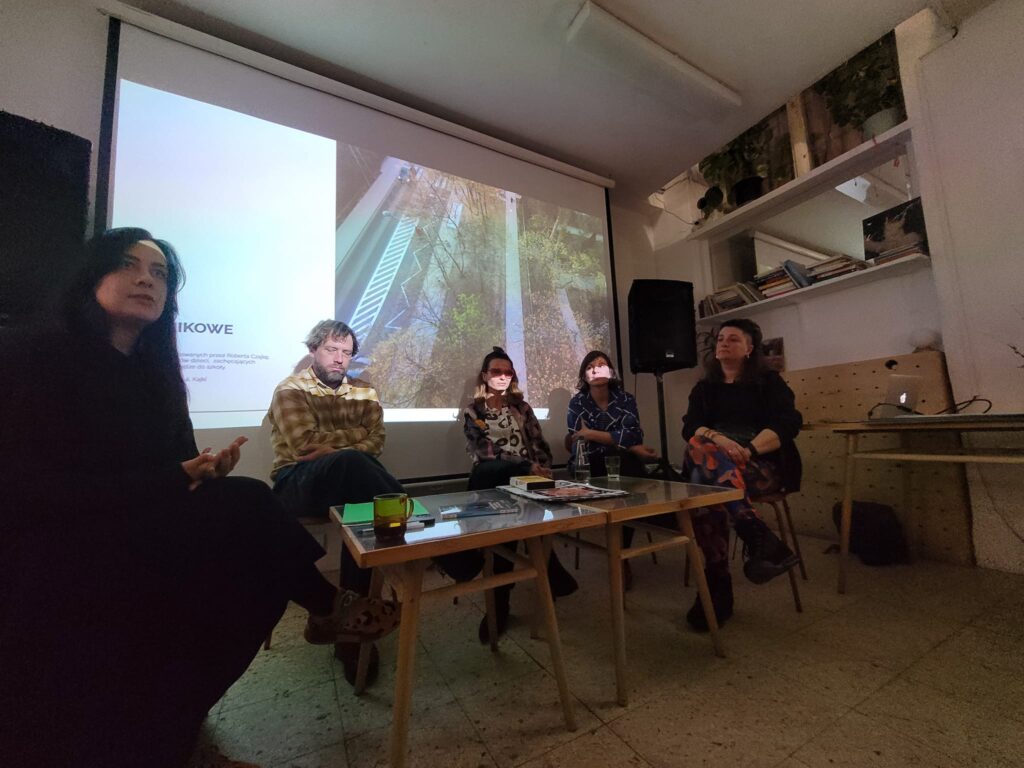
The Na Miejscu Foundation led the Urban Labs, a programme of educational and research activities focused on mobility, climate, and safety in cities.
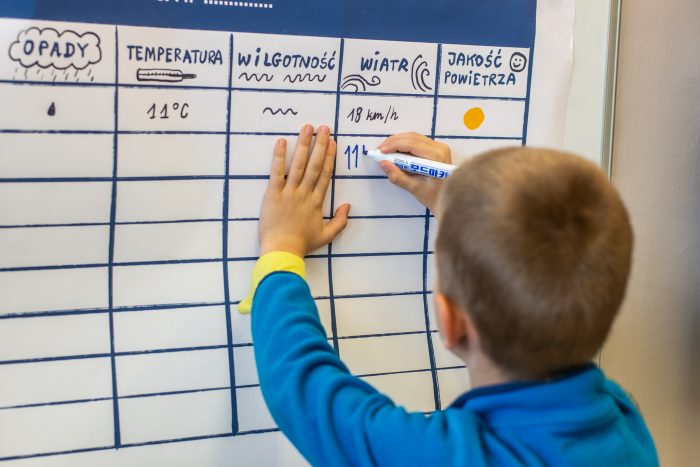
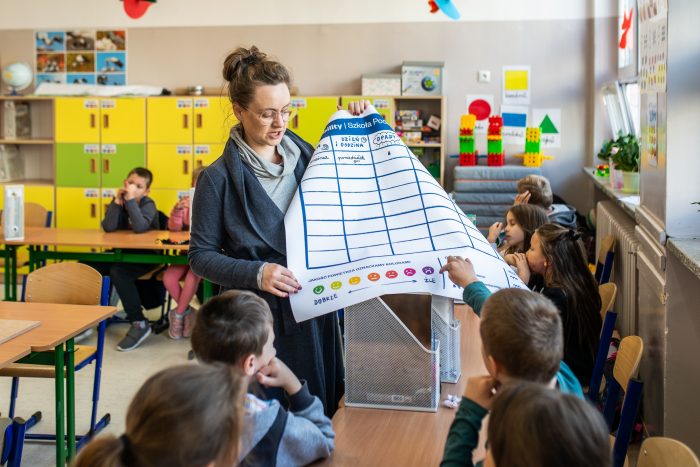
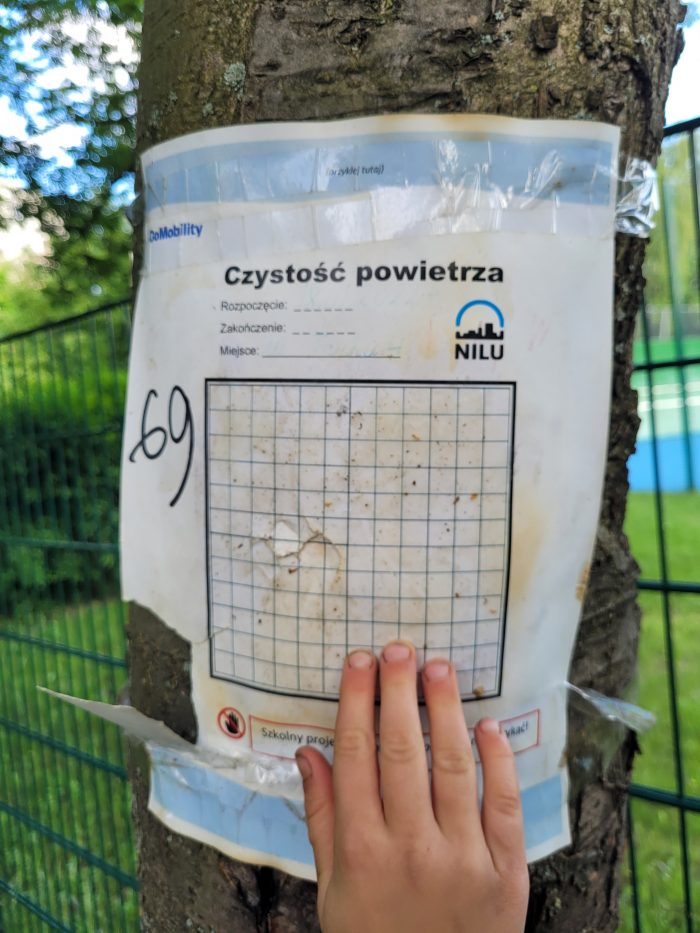
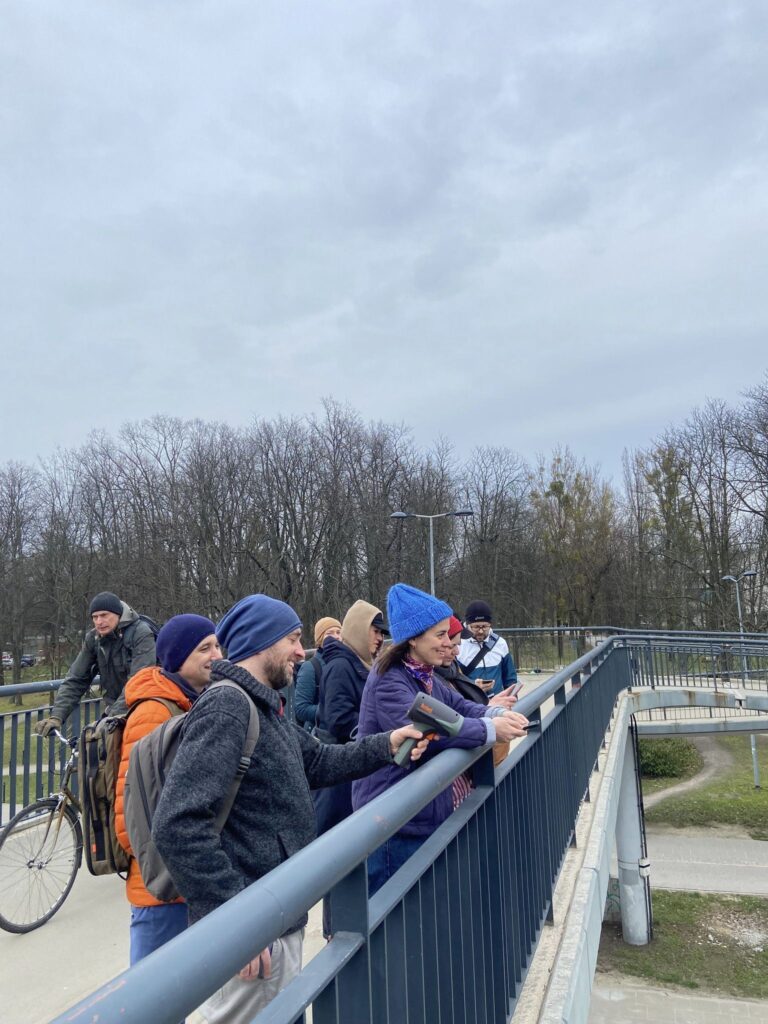
Children became “city researchers”, measuring distances, counting traffic, observing their environment, and proposing improvements.
The project demonstrated how citizen science and participatory design can help cities better understand mobility challenges and develop solutions that residents support.
The collected data and insights contribute to scientific research and recommendations for decision-makers working on sustainable urban mobility.
The project was implemented by an international consortium including:
University of Warsaw
Warsaw School of Economics
Warsaw University of Technology
Norwegian Institute for Air Research
The Fridtjof Nansen Foundation
City of Lublin
Na Miejscu Foundation
EEA and Norway Grants – Applied Research Programme
Total funding: €2.05 million